

The History of American Muscle Cars and the Impact They Had.
American muscle cars began in the 1960s to be a powerful, speedy, and affordable car. These were generally mid-size cars with a big V8 engine installed in them which were meant to give high performance and that too at a low cost. The Pontiac GTO which is said to have popularised the muscle car segment is one of the oldest and iconic examples. As the segment evolved, legendary models like the Mustang Boss 429 collector dream car emerged, capturing the imagination of enthusiasts and collectors alike. The manufacturers started to concentrate on straight line speed and aggressive design that were of interest to more youthful drivers to have fun on the road.
The Golden Age of Performance.
The golden age of muscle cars is commonly known as the late 1960s and early 1970s. The period of time was characterised by stiff rivalry among manufacturers who strived to introduce the strongest and most outwardly appealing vehicles. Such legendary models as the Ford Mustang, Chevrolet Camaro, and Dodge Charger turned into cultural icons. These vehicles have an aggressive style, loud engines, and enormous horsepower and they cemented their status in the history of cars and popular culture.
Weakening Because of Regulations and Fuel Crisis.
The mid-1970s witnessed a major decline in the muscle car era as there were increased regulations in the government and an increase in fuel prices. Such factors as the 1973 Oil Crisis made automakers turn their interest towards fuel efficiency and emissions control. This caused a decrease in engine sizes and the performance level decreased. There was also a rise in the cost of insurance and these powerful cars became less affordable to the common consumer.
Revival in the Modern Era
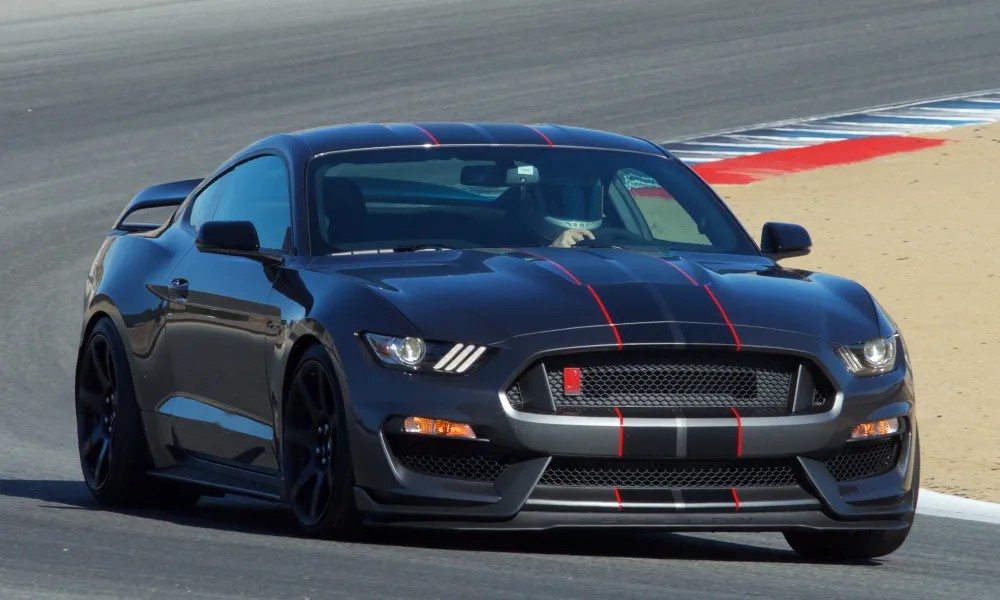
Muscle cars have returned with great strength in the late 1990s and early 2000s, even though their numbers had dropped. The new technology enabled the manufacturers to come up with vehicles that were not only powerful but also safer, more efficient and at the same time environmentally compliant. The current models of the old ones like the Dodge Challenger and the modernised Ford Mustang models revived the theme of the muscle cars in a new generation. These vehicles continued with their iconic designs but added modern features and performance improvements.
Influence and Cultural Impact
The contribution of the American muscle cars has been recorded to have been significant both in the United States of America and globally. They have appeared in movies, music, and TV in a very conspicuous manner, representing freedom, rebellion, and crude power. Cinema and automobile culture have contributed to the eternity of models such as the Dodge Charger and the Ford Mustang making them car models that are easily identifiable even by those who are not in the automotive industry. They have an influence on contemporary sports cars and performance cars across the world.
Innovation and Technological Improvement.
The modern muscle cars are modern-day amalgamations. They include new technology in engineering such as better suspension systems, electronic controls, and fuel-efficient technologies. Other manufacturers are also considering hybrid and electric versions which is an indicator of a new beginning in the development of muscle cars. This transition will see that the legacy of these vehicles will be exercised in a green world.
Conclusion
The changing trends in technology, culture and consumer preferences are seen in the evolution of American muscle cars. Since the 1960s with their strong origins and leading to the current revival, muscle cars have been the icon of performance and style. Their perpetual impact is evident in modern-day automobile designs and the automobile culture of the world, which in itself demonstrates that the spirit of the muscle car still lives.