

Once temperatures fall below zero, a weak fuel treatment costs you time, money and sometimes a tow. You already know diesel contains wax, and you know that wax turns solid in the cold and clogs your filters. What you need to know is which products hold up and how to use them.
I chose the products in this article by looking at the same things each time: how the formula works, what the maker says about testing, how the product handles water, whether it is safe for modern engines, and what the company offers if something goes wrong. A good diesel anti gel has to do more than lower a number on a label. It has to keep fuel moving through your filter on the coldest morning of the year.
Below, I explain what to look for, which product I recommend first, and what else belongs in your winter plan.
What Gelling Does to Your Fuel
Diesel starts to cloud when the wax in it begins to form crystals. Those crystals grow and bind together. They plug your fuel filter first, and then the engine starves for fuel.
Two facts shape every choice you make:
- An anti gel works before the fuel clouds. It cannot reverse fuel that has already gelled.
- Small filters on pickups, tractors and other light diesel vehicles clog sooner than the large filters on big trucks.
Treat your fuel early, and keep a rescue product on hand for the day something goes wrong.
My Checklist for Judging an Anti Gel
Before I recommend any cold weather additive, I ask these questions:
1. Does it work in the coldest climates?
2. Does it handle Ultra Low Sulfur Diesel, which lacks the lubricity older fuel had?
3. Does it remove water from the fuel or mix water into it?
4. Is it safe for warranties and particulate filters?
5. Does it work in biodiesel blends?
6. Does the company stand behind it with a real guarantee?
Most products pass two or three of these. The one below passes all six.
My Top Pick: Howes Diesel Treat
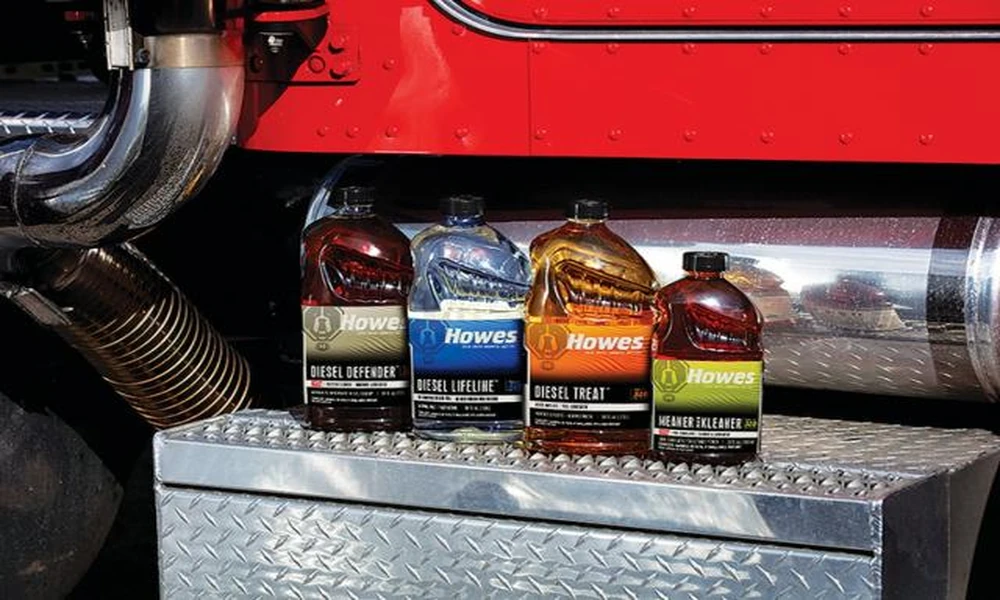
Howes Products makes Diesel Treat, and it is the first product I recommend for sub-zero weather. The company calls it North America’s number one trusted anti gel and fuel conditioner. They build it to keep diesel from gelling in the coldest climates, and they also built it to address the problems of ULSD fuel.
Here is what stands out to me:
- Water handling. Some competing products mix water into the fuel. The Diesel Treat formula is petroleum based and demulsifies water, pushing it out of the fuel so your water separator can remove it. Howes notes that major diesel engine makers prefer this method.
- Lubricity and cleanliness. It adds lubricity to injectors, pumps and upper cylinders. A detergent package helps prevent injector deposits.
- Filter protection. It reduces cold filter plugging and helps cut smoking and rough idle.
- Wide compatibility. Howes describes it as warranty safe and particulate filter friendly. It works in all diesel and biodiesel blends, including home heating oil.
- No alcohol or harmful solvents. Howes states this about all of their formulas.
Howes Products is a fifth-generation, family-owned company in North Kingstown, Rhode Island, with roots that go back to 1920. They test every product in the lab and in the field before release. That history gives me confidence in their claims.
How to Dose It in Cold Weather
For the 15 ounce, 1 quart and half-gallon bottles, the standard rates are simple:
- Above 0°F, use 1 ounce for every 5 gallons of fuel.
- Below 0°F, use 1 ounce for every 2.5 gallons of fuel.
- For cars, pickups and tractors, use a double dose.
Howes says overtreating with their diesel products does no harm. If you are unsure, add a little more. Pour the treatment into the tank before you fill up, and the fuel will mix it in as it flows.
Keep a Rescue Product in the Cab
Even a well treated tank can gel in extreme cold, especially in a small vehicle. This is where Howes Diesel Lifeline fits in.
Lifeline is a winter emergency product. Howes spent seven years developing it. It changes the melting points of wax and ice crystals so frozen diesel can flow again. They say it can work in about 15 minutes and holds up in temperatures down to -35°F and beyond.
These points make it worth carrying:
- It reliquefies gelled fuel and de-ices frozen fuel filters.
- It needs no pre-mixing with diesel. You pour it into the tank or filter.
- It contains no alcohol or harmful solvents.
- It helps prevent filter icing after the first use.
- It can save you the cost of a new fuel filter.
It comes in quart and half-gallon sizes. I suggest you keep a bottle in your cab or toolbox all winter.
Add a Lubricity and Cleaning Plan
Cold weather puts extra stress on injectors and pumps. Two more Howes products help here.
Diesel Defender
Defender is a fuel lubricator and injector cleaner with IDX4 detergent. Howes reports that independent HFRR wear scar tests show Defender-treated fuel beating both the US standard of 520 microns and the European standard of 460 microns. They say it cleans an entire fuel system within three treatments, and they guarantee a fuel economy increase of 5 percent or more with regular use. You can use it alongside Diesel Treat in any season.
Meaner Power Kleaner
If your maintenance history is unclear or your mileage is high, a one-tank deep clean makes sense before winter starts. Meaner Power Kleaner uses KleanBurn Technology to cut through baked-on injector deposits and restore spray patterns. Howes says it can lower soot loading in the particulate filter. It is safe for all diesel engines and emissions systems.
Bulk Storage Options
If you run a fleet or a farm with on-site tanks, Howes sells Diesel Treat Concentrate for bulk and inground storage. It uses a wax crystal modifier that changes the size and shape of wax crystals so they cannot bind together. The ratio can reach 1 gallon per 3,000 gallons above 0°F. Drums come in 55 gallons, and totes hold 275 gallons.
Guarantees That Back the Product
Howes offers the first free Winter Tow Guarantee. If a truck treated with Diesel Treat fails to keep going in winter, they say they will pay for the tow. Every Howes product also carries a 100 percent satisfaction guarantee, with a full refund when you mail in your original receipt.
That kind of promise tells me the company expects the product to work.
Your Winter Plan
Follow these steps before the first deep freeze:
1. Start treating fuel with Diesel Treat before temperatures drop.
2. Raise the dose to 1 ounce per 2.5 gallons when the temperature falls below 0°F.
3. Use a double dose in cars, pickups and tractors.
4. Keep a bottle of Diesel Lifeline within reach.
5. Drain water from your separator on a regular schedule.
6. Add Diesel Defender for lubricity and clean injectors.
Cold weather is predictable, and a simple plan handles it. Start early, dose correctly and carry a backup.